

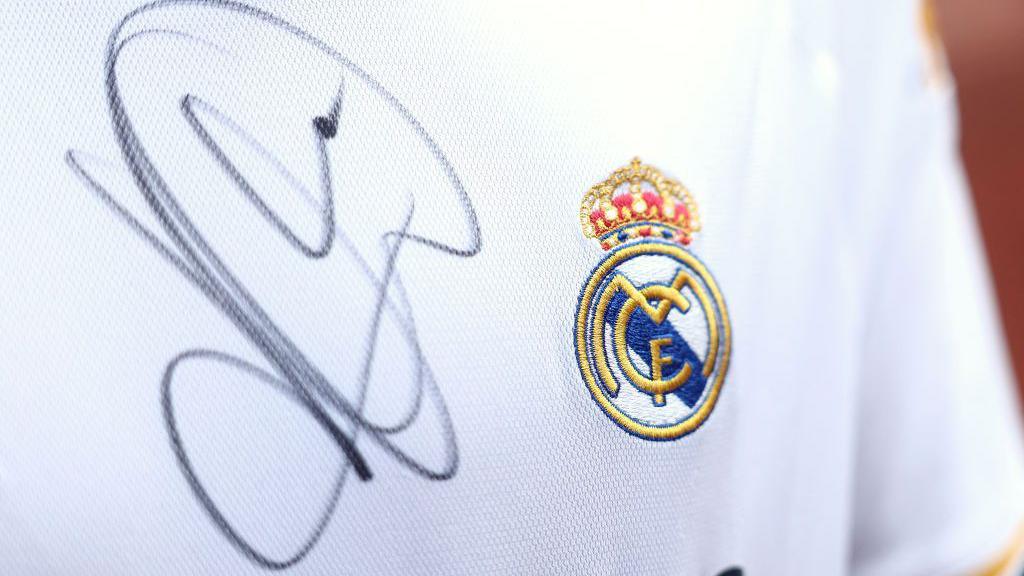
Outside the training ground. At the traffic lights. While filling up at a gas station. Within a hotel's entrance. Outside their family home.
The places where footballers and coaches are approached for signatures range from the mundane and understandable to the intrusive and unacceptable.
Essentially, there exists a pair of different types of signature hunters. On one hand, you have the genuine fans looking for a memento to treasure for a lifetime, and on the other, professional vendors building up a stockpile of items to be listed for sale on the internet.
The individuals making a living from obtaining autographs are often seasoned operators who approach players with prepared stacks of shirts and photographs, aiming to secure as many signatures as possible in a brief moment.
But how do the footballers who are targeted think, and are some of these interactions crossing a line?
In What Ways Do Autograph Hunters Interact With Celebrities?
When a top manager was recorded refusing to sign a shirt after a man approached his vehicle recently, he defended himself against a backlash by stating he felt "vulnerable" and asserted some "individuals are not doing it for the proper motives".
In another case, a celebrated manager angrily chastised a cluster of seekers who approached him in a parking lot close to his residence, criticizing their profession and stating, "Do not return - This is my final warning. What are your dreams?"
The sports memorabilia sector is believed to be valued in the billions of dollars globally annually, highlighting the substantial wealth professional hunters can generate by regularly seeking out stars.
Clubs occasionally have to step in and safeguard athletes, including banning professional hunters from operating outside training grounds, providing security staff at nearby gas stations where seekers are aware players stop, and in some cases assisting in guiding them home.
One well-known player was recorded instructing hunters to cease trailing him home after they had done so on consecutive days.
And earlier this month, a backline player was caught on video humorously scrawling unenthusiastic signatures on a stack of shirts handed to him by a seeker who approached him at his car window.
"Players get really fed up with it," states a former Premier League winner.
"I've encountered it numerous times. They wait near the TV studio and request that I autograph twelve identical shirts simultaneously. I challenged it the other day and said 'you intend to flog these online, correct'?"
"It is incredibly irritating that the intention is to profit out of players. The decision lies with the individual to make a split-second decision on the spot."
"Should we decline, then the rejected individual will often insult the person who refused them and call them out them online."
"It's out of order as genuine autograph hunters must get frustrated with these imposters who are acting for the wrong reasons."
"Such individuals ruin the experience for children and genuine fans."

What Do Athletes Think About Professional Sellers?
Most athletes are happy to make a fan's day by dedicating a brief instant with them and signing an autograph.
But when frequent seekers show up, confrontations can happen, particularly if their behaviour is deemed pushy.
"You encounter the people who are eager to get your signature but also want to have a short interaction with you and establish a personal link," notes a former England international. "That is perfectly acceptable, but then you also get the ones that you see constantly."
"Some of them are very clever with the way they operate - they send their kids, or they arrive with friends."
"There have been times when arguments have taken place. I remember one where a guy tried having a go with me - he would present you with twenty of the identical item, and you would either not sign them all or your signature would become progressively weaker as it continued because you were aware he was going to resell them."
In certain cases players can understand the reasoning while refusing to tolerate discourtesy.
"He would frankly admit he was going to sell them, but from his perspective that would cover the cost of his match tickets," the athlete adds. "Most fans are really respectful and appreciative. They are rarely rude until they don't get what they desire."
Are Some Authentic Supporters Acting More Entitled?
During the rise of the women's game, fans have historically enjoyed more direct interaction to stars than in the premier league. For the majority of the time, those interactions are friendly, safe, and courteous.
But some athletes believe encounters have become increasingly rude and disrespectful in the past few years.
One England international revealed she was asked to sign by some of the identical supporters who had previously booed her during a game.
"It certainly appears to have been a change in the recent period - there feels to me more of a sense of entitlement with certain supporters now," says a ex-professional athlete.
"Fans enjoying greater proximity to players has been a key aspect of the distinct character of the sport, and when I was playing we always aimed to be available for them," she explains.
"Nowadays, some individuals feel because they've bought admission they are entitled to the attention of the players around the game."
"No athlete wants to ignore the fans, but there are times and places, and possible safety concerns need to be considered."
"There has to be reciprocal courtesy and it should be handled in a secure, regulated environment."
"It is essential to still facilitate those interactions so that aspiring players don't become disheartened and think 'the players I admire are indifferent to me'."
Supporters Face the Danger of Buying Fakes Online
Products signed by big stars and then posted for sale by dealers can sell for many thousands of pounds.
But not every piece of signed memorabilia purchased will turn out to be authentic.
In some cases, web shops are established by scammers who create fakes by purchasing products before adding a fake signature - either by doing so themselves or hiring the expertise of expert handwriting copiers.
One reason dishonest sellers can get away with their schemes is because autograph verification is an unregulated process in many countries. Most items come with a certificate of authenticity, but that certificate is only as legitimate as the organization which awards it, and those organizations can be completely unvetted.
Several years ago, a individual was jailed after making over a million from peddling fake


